Metal Foundry elements to know in a well-made discussion
Wiki Article
A Deep Study Steel Foundries: Crucial Details and Market Trends
Steel shops play a crucial duty in the manufacturing industry, transforming resources into essential components. The procedures entailed, from thawing to quality control, are complex and require precision. Current technologies are reshaping the market, introducing automation and sustainability practices. Yet, obstacles continue, particularly relating to labor and product costs. Recognizing these components is fundamental for realizing the current landscape and future instructions of foundries. What exists in advance for this foundational industry?Understanding the Metal Foundry Refine
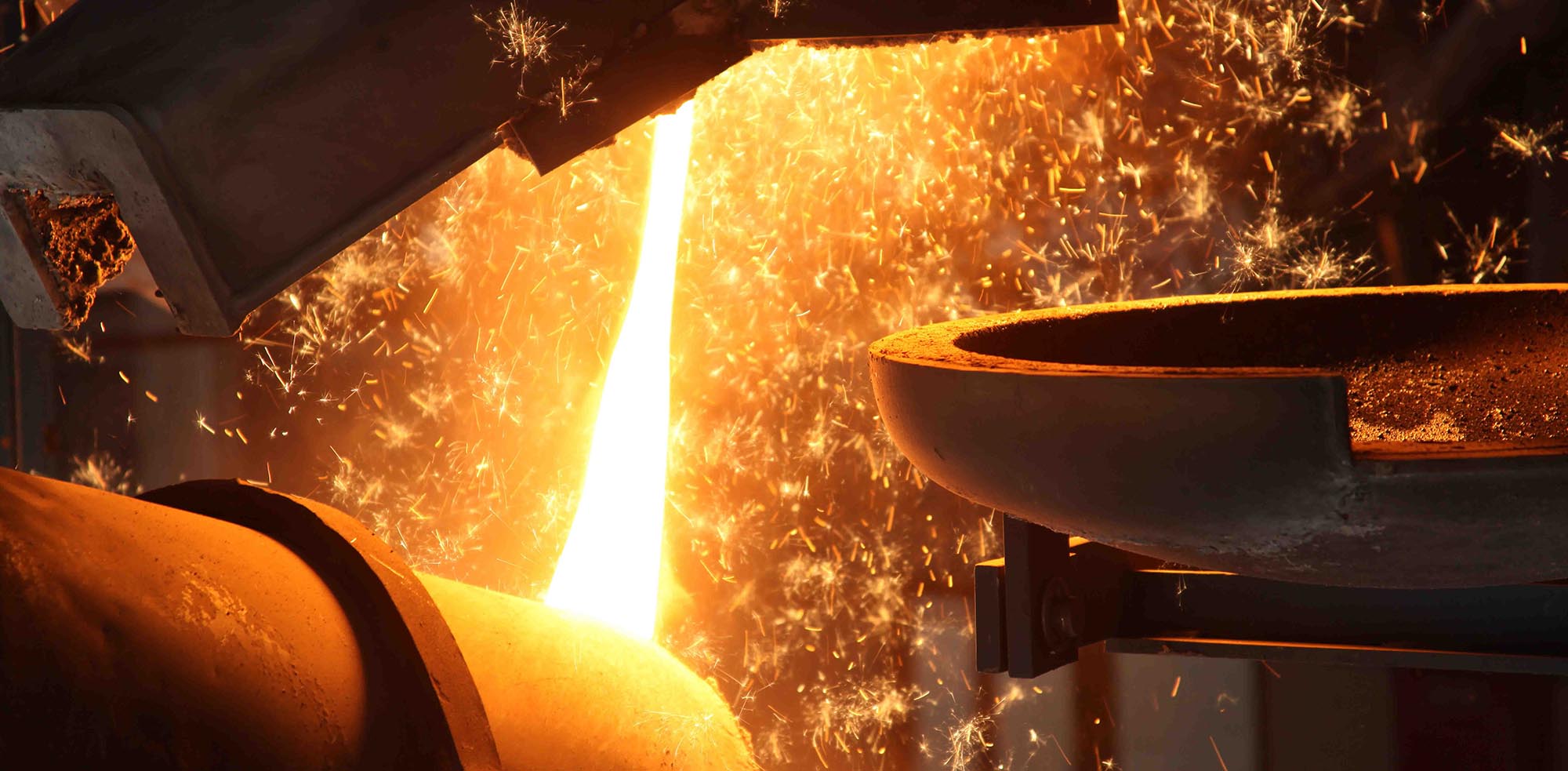
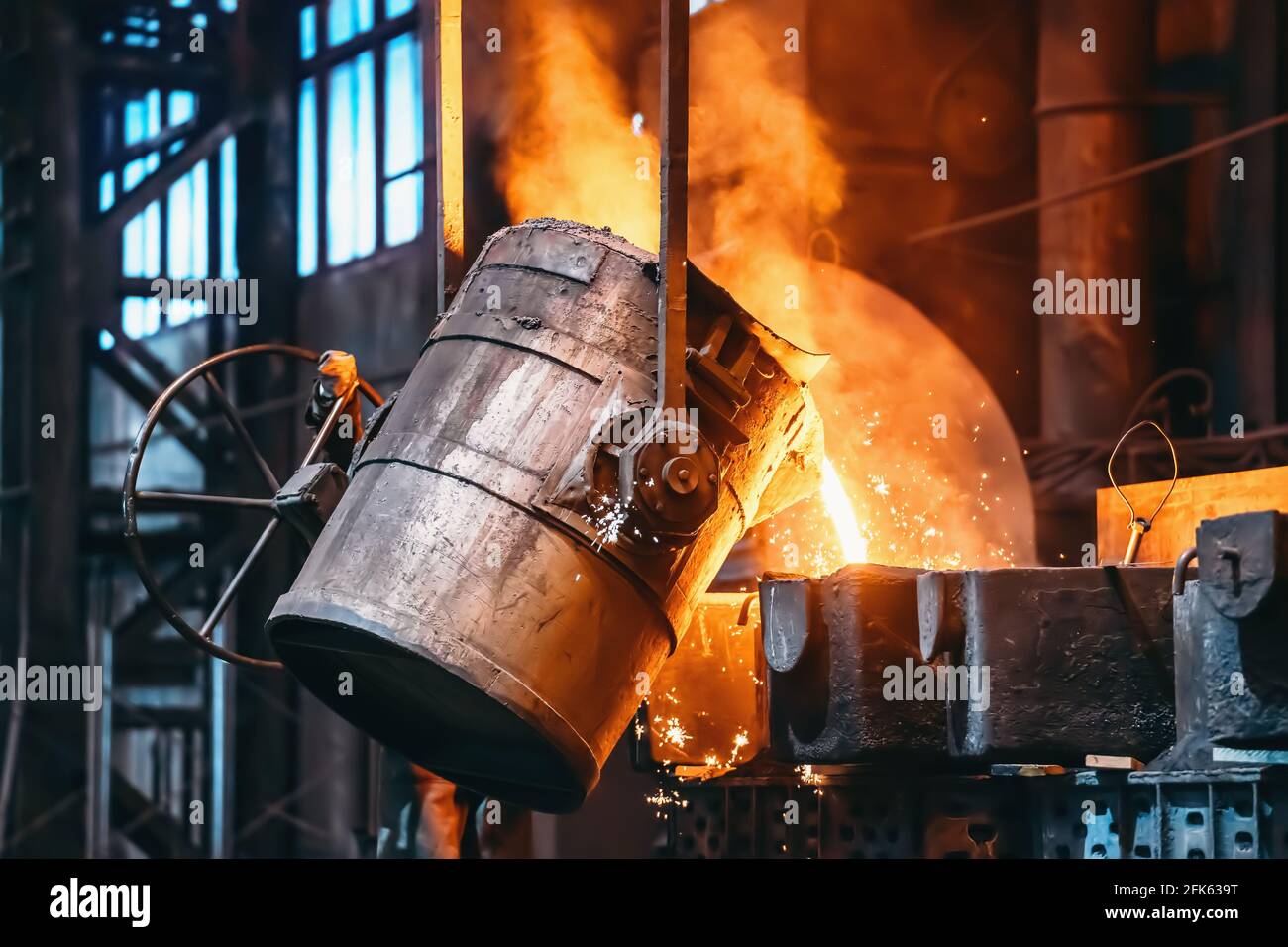
Although the steel factory procedure may appear complicated, it rotates around a couple of fundamental phases that change resources right into ended up steel products. Raw products such as metal ores, scrap metal, and alloys are sourced. These products undertake melting in furnaces, reaching high temperature levels to liquefy the metal. When molten, the steel is put into molds, where it strengthens and cools down into the wanted formComplying with solidification, the spreadings are eliminated from the molds, bring about further processing. This may include trimming excess product, surface area ending up, and heat treatment to boost homes. Quality assurance examinations are important throughout the process to ensure that the end products fulfill called for specifications and standards.
Key Technologies Fueling Foundry Developments
The developments in innovation have considerably affected the metal foundry sector, driving advancements that improve effectiveness and product top quality. Trick modern technologies reshaping this industry consist of automation and robotics, which improve operations and minimize labor expenses, enabling precision in mold and mildew production and metal pouring. Additionally, the fostering of 3D printing is changing pattern manufacturing, allowing complex styles that conventional methods can not achieve. Moreover, simulation software program has actually emerged as an essential device, permitting factories to predict and resolve possible casting defects prior to production, thereby conserving time and resources. The assimilation of IoT (Internet of Points) devices improves monitoring and data collection, facilitating real-time modifications to processes. Innovations in metallurgy, such as the advancement of brand-new alloys, are increasing the capabilities of shops to create more powerful and lighter parts. With each other, these innovations are transforming the landscape of metal shops, driving them towards greater advancement and competition.The Role of Top Quality Control in Steel Casting
Quality control plays an important role in metal casting, making sure that each part meets strict specs and performance requirements. This procedure entails a range of techniques, including visual assessments, dimensional dimensions, and product screening - Aluminum Foundry. Foundries employ high quality control workers that monitor each stage of production, from resources choice to the final product assessmentBy making use of innovative modern technologies such as non-destructive screening and computerized inspection systems, metal shops can recognize defects early in the manufacturing cycle. This aggressive strategy minimizes waste and reduces the likelihood of costly rework. Furthermore, adherence to market requirements, such as ISO qualifications, strengthens a factory's commitment to quality, enhancing consumer self-confidence and satisfaction.
Eventually, efficient high quality control not just boosts the reliability and toughness of cast parts yet likewise drives constant enhancement within the foundry, promoting a society of excellence and innovation in steel spreading procedures.
Sustainability and Environmental Practices in Foundries
As steel shops increasingly identify their influence on the setting, a commitment to sustainability has come to be vital in their functional techniques (Aluminum Casting). Lots of factories are carrying out energy-efficient technologies, such as electrical induction heating systems, which considerably minimize greenhouse gas emissions contrasted to conventional approaches. The adoption of recycled products, particularly scrap steel, has likewise gained grip, minimizing waste and saving all-natural resourcesWater monitoring practices are being improved to lower consumption and stop contamination. Many factories are buying closed-loop systems that recycle water used in cooling and cleansing processes. Furthermore, dirt and emissions manage modern technologies are being upgraded to guarantee compliance with ecological laws.
Future Trends and Difficulties in the Steel Shop Industry
Emerging patterns in the steel shop industry highlight a shift towards advanced innovations and cutting-edge techniques aimed at enhancing efficiency and competitiveness. Automation, including robotics and man-made knowledge, is significantly adopted to streamline operations and decrease labor expenses. Furthermore, the combination of Market 4.0 innovations assists in real-time information evaluation, allowing much better decision-making and anticipating maintenance.Challenges persist. The industry faces an experienced labor shortage, necessitating investment in labor force training and growth. In addition, varying resources prices and supply chain disruptions pose substantial difficulties. Environmental laws are coming to be stricter, pushing shops to embrace sustainable practices that can be pricey at first but beneficial lasting.
In addition, the need for lightweight and high-performance alloys is increasing, requiring shops to innovate their procedures and materials. Stabilizing these trends with recurring difficulties will certainly be vital for the future success of the metal factory industry.
Often Asked Inquiries
What Is the Background of Steel Factories?
How Do Foundries Determine Metal Alloy Compositions?
Factories determine metal alloy make-ups through a combination of empirical screening, computer system modeling, and sector standards. They assess wanted residential properties, application demands, and cost-effectiveness, ensuring the final alloy fulfills details performance requirements for desired usages.What Are one of the most Common Foundry Materials Utilized?
One of the most usual foundry materials include cast iron, aluminum, brass, steel, and bronze. These materials are favored for their longevity, toughness, and versatility, making them ideal for different applications in manufacturing and building.How Do Foundries Handle Hazardous Waste Disposal?
Shops take care of unsafe waste disposal with stringent adherence to environmental regulations, using specialized control systems, recycling initiatives, and collaborations with qualified waste administration companies to guarantee secure and compliant disposal of poisonous materials.What Profession Opportunities Exist in the Steel Factory Market?
Steel factories play an important duty in the manufacturing field, transforming raw products into vital elements. The steel foundry procedure may appear complex, it rotates around a few essential phases that transform raw products into completed metal products. The developments in modern technology have greatly impacted the metal factory sector, driving developments that boost efficiency and product top quality. The history of steel shops dates back to ancient people, where craftsmens first melted steels to develop tools and designs. The metal factory sector offers diverse occupation possibilities, including functions in design, top quality control, operations administration, and ecological conformity.
Report this wiki page